


 Română
 Русский


Examen complex a glandelor mamare
Price: 1400 MDL
A regular medical check-up helps detect breast diseases at an early stage and prevent potential complications. Specialists recommend undergoing a full breast examination at least once every two years, even if there are no symptoms.
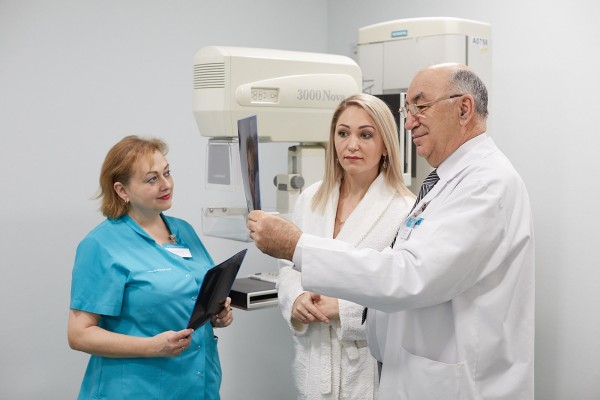
Digital Mammography (results on film)
Mammography is the standard method for early detection of breast cancer, especially recommended for women over 40.
Breast Ultrasound
Ultrasound is a non-invasive, radiation-free diagnostic method recommended for women under 40 or as a complementary examination to mammography.
Laboratory Tests
Blood tests can provide important information about breast health and potential risks.
- General Blood Test (19 parameters) – assessment of overall health.
- CA 15-3 – a tumor marker used to monitor breast cancer.
- Carcinoembryonic Antigen (CEA) – a marker used for diagnosing and monitoring certain oncological conditions.
Consultation with a Mammologist
A breast examination includes a clinical assessment and interpretation of test results. The doctor can recommend a personalized monitoring and prevention plan.
Preparation for Examination
For accurate results, it is important to follow these recommendations:
- For mammography and ultrasound: Preferably, examinations should be performed within the first 10 days of the menstrual cycle when the breasts are less sensitive.
- On the day of mammography: Avoid using deodorants, lotions, or powder in the underarm and chest area, as they may affect image clarity.
- For blood tests: Blood should be collected in the morning on an empty stomach, avoiding alcohol and fatty foods the day before.
- If you have previous test results: Bring them for comparison with new examinations.
🔹 Recommendation: Make regular breast health check-ups a habit! Preventive examinations can save lives.